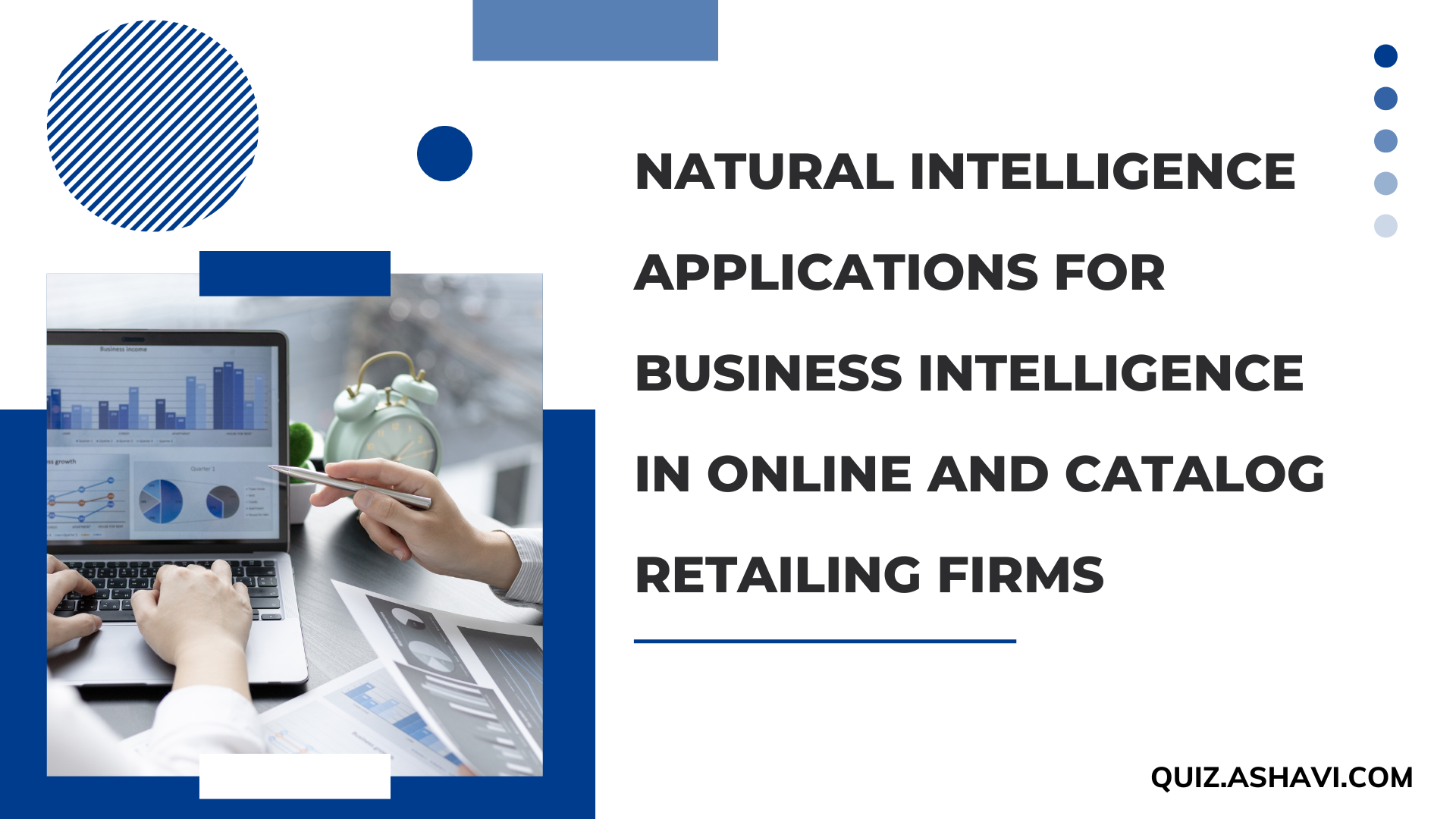

What is Business Intelligence? Business intelligence is the use of data to help companies make educated decisions with the right information. BI, if done manually, needs a lot of resources and time. It is an integral part of the process and helps simplify and automate the process as well as generate qualitative reports Business intelligence is the process of bringing together data and information management tools to enhance customer experience, increase productivity and profitability, improve business processes, and make better decisions. This process involves the consolidation, analysis and presentation of business information to users of all kinds for the purpose of enhancing strategic and operational decision-making. BI encompasses a variety of technologies that automate the management of data, integrate multiple sources within the enterprise, and present results in a meaningful way that helps users make better decisions. The modern business intelligence (BI) model follows a bottom-up approach and allows users to interact with data and make strategic decisions at their own level. A simple example, an employee needs to see his salary details as compared to his colleagues. He can do so by logging into the employee portal, and then clicking on the salary tab, which is accessible via a link that appears on every account. Afterwards, he can customise this dashboard by entering his own information – total earnings, bonus percent etc.
Read more ...Effective workplace communication is vital to businesses of all sizes. It’s an important part of a collaborative workplace where employees are engaged and motivated, clients feel valued and satisfied, and leaders can contribute to the success of their teams. Experts agree effective business communication is most often neglected because it can be time-consuming, complex and difficult. In this article we’ll share our tips for establishing effective business communication in your organization so you can utilize it to improve productivity and quality without overcomplicating things.
Read more ...In this leadership vs management article, we will dig deep into the differences between leadership and management. A few years ago, leaders, entrepreneurs, and innovators created companies, whereas managers were hired to run their operations. But, nowadays, you will notice that our educational system is mostly geared towards management education. Also, there is a perceptual change that treats both management and leadership as the same, which is not a mere reality. So, in this leadership vs management article, we will dig deep into the differences between leadership and management.
Read more ...As the need for effective customer relationship management increases, so will the importance of building solid customer relationships. When you have good customers who are satisfied with their products and services, they will be more likely to purchase from you in the future. Building a strong customer base takes time and hard work but it pays off in the end.\Customer relationship management is a strategic and tactical methodology to create, capture, retain and drive profitable relationships with customers. It’s about managing your entire customer file, from initial contact to the end of sale.
Read more ...As a business owner, you already know the importance of customer feedback. It's the key to understanding your customers' needs and preferences, identifying areas for improvement, and ultimately growing your business. But collecting and managing feedback can be overwhelming. With so many different channels available today, it's hard to keep track of everything! In this article, we'll show you how to effectively manage customer feedback in your business – from collection to implementation – so you can stay on top of what matters most: satisfying your customers!
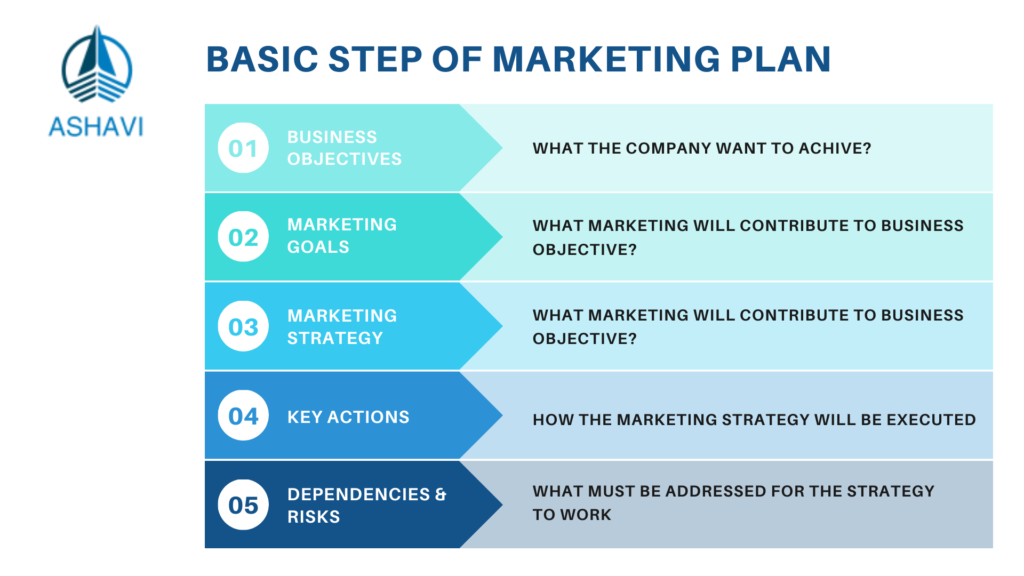
Read more ...A successful marketing strategy should be realized not only through the development of a product or service, but also entails the means for creating awareness, building market share and increasing sales. The goals of a marketing strategy could be tailored to specific industry needs, risks and opportunities that arise from studying the competition and other companies in similar markets. An effective marketing strategy will achieve its objectives by understanding customers and improving their experience with your company. This may take the form of developing products or services that are appealing based on what they want and what they want less, helping them solve problems while satisfying their interests etc
Read more ...The term agile is a project management method that rewards small, frequent improvements over large and infrequent changes
Read more ...